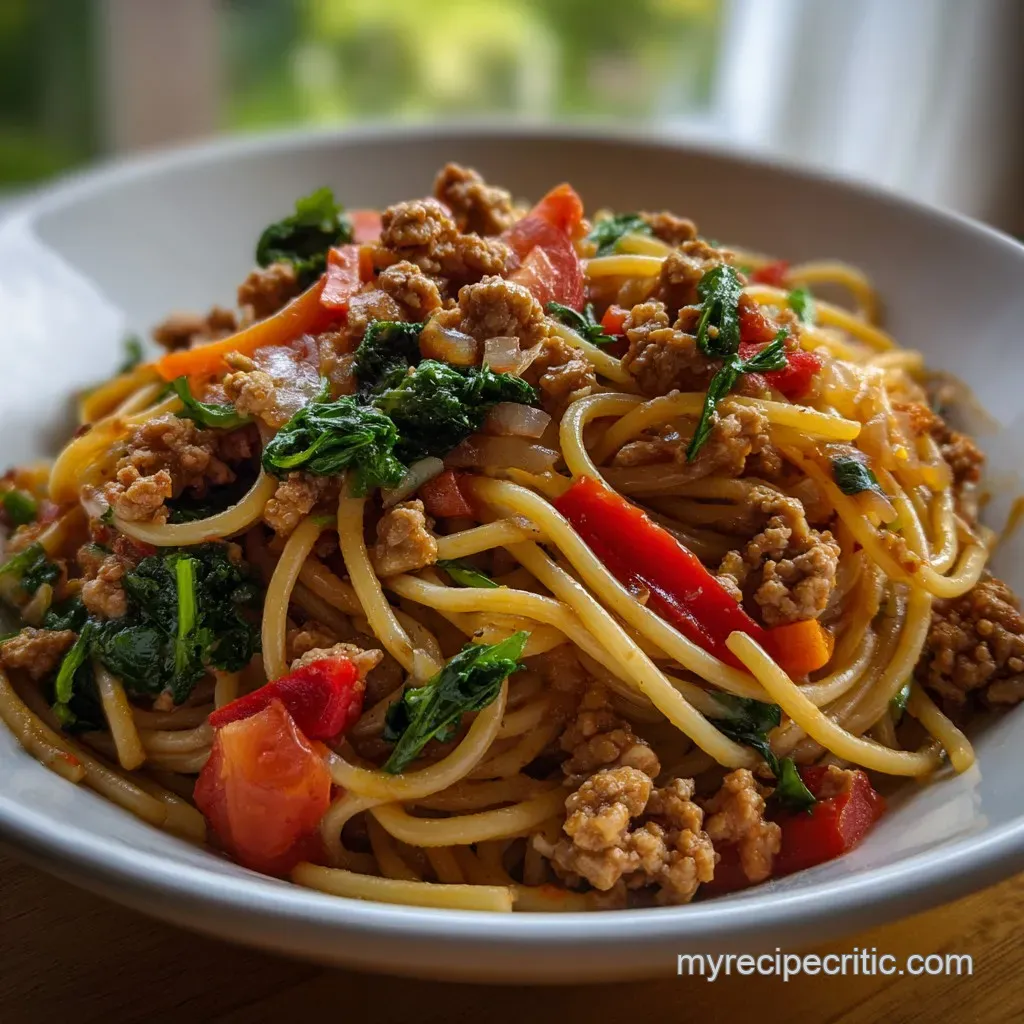
Ditch Calories, Keep Flavor: The Power of Plant-Based Veggie Spaghetti
Imagine your favorite bowl of spaghetti – rich, satisfying, and utterly delicious. Now, imagine enjoying that same comfort and flavor, but with a significant reduction in calories, a boost in nutrients, and absolutely no guilt. This isn't a culinary fantasy; it's the reality offered by plant based spaghetti, a revolutionary approach to a beloved classic that empowers you to manage your weight and satisfy your deepest cravings without compromise.
For too long, the dilemma has been stark: indulge in calorie-dense pasta and risk derailing health goals, or opt for bland, unsatisfying alternatives. The genius of plant based spaghetti, popularized by visionary authors like Shernell Cooke, lies in its elegant simplicity: transforming everyday vegetables into vibrant, flavorful noodle strands using a humble spiral slicer. This method isn't just about cutting calories; it's about embracing a lifestyle where taste and health coexist beautifully.
The Genius of Plant-Based Spaghetti: Satisfying Cravings, Shedding Calories
At its core, plant based spaghetti is about smart substitution. Instead of traditional pasta made from refined grains, you're using fresh vegetables like zucchini, sweet potatoes, or carrots. The impact on your diet is immediate and profound. As Shernell Cooke, author of "The Veggie Spaghetti Cookbook and Other Plant Based Favorites," discovered through her own struggles with persistent cravings, this simple swap can cut hundreds of calories from a single meal. This substantial reduction makes veggie spaghetti an invaluable tool for anyone focused on weight loss or maintaining a healthy weight, allowing for generous portions that fill you up without weighing you down.
But the benefits extend far beyond just calorie counting. Traditional pasta offers limited nutritional value beyond carbohydrates. Plant based spaghetti, on the other hand, is a powerhouse of essential vitamins, minerals, and dietary fiber. Fiber is particularly crucial, promoting digestive health, stabilizing blood sugar levels, and contributing to a feeling of fullness that naturally reduces overeating. This means you're not just eating less, you're eating better, nourishing your body with every forkful.
Cooke's personal journey, rooted in her desire to enjoy familiar comfort foods without undermining her health efforts, resonates with countless individuals. Her insight proves that you don't have to sacrifice the joy of eating to achieve your wellness goals. Instead, you can learn to Satisfy Cravings, Lose Weight: Your Guide to Healthy Veggie Spaghetti by making informed, delicious choices.
Transforming Your Plate: A World Beyond Zucchini Noodles
While zucchini is arguably the most popular choice for plant based spaghetti, the world of spiralized vegetables is vast and exciting. A simple vegetable spiral slicer is the key to unlocking this culinary potential, transforming ordinary produce into elegant, spaghetti-like strands in minutes. This tool, central to Cooke's approach, makes healthy eating accessible and fun.
Consider the diverse textures and flavors you can explore:
- Zucchini: Mild, slightly watery, and best enjoyed raw or lightly sautéed. It absorbs sauces beautifully.
- Sweet Potato: Naturally sweet and firm, ideal for heartier sauces or roasts. It holds its shape well when cooked.
- Carrot: Earthy and slightly sweet, adding a delightful crunch when raw or a tender bite when lightly steamed.
- Beet: Vibrant in color and rich in nutrients, beets offer a distinct earthy flavor that pairs well with fresh herbs and citrus.
- Cucumber: Refreshing and crunchy, perfect for cold salads or quick, light meals.
- Butternut Squash: A sweeter, denser option that works wonderfully in autumnal dishes or roasted until tender.
- Parsnip: A unique, slightly peppery flavor that adds sophistication to dishes.
Each vegetable offers a unique canvas for your culinary creations, allowing you to tailor your plant based spaghetti to different meals and moods. The key is understanding how each vegetable cooks and what flavors it naturally complements. For a deeper dive into the tools and techniques needed to start your spiralizing journey, explore Shernell Cooke's Guide: Easy Plant-Based Spaghetti with a Spiral Slicer.
Flavor Uncompromised: Crafting Delicious Plant-Based Spaghetti Meals
One of the biggest misconceptions about healthy eating is that it must be bland or restrictive. The "Ditch Calories, Keep Flavor" ethos of plant based spaghetti directly challenges this notion. Cooke's cookbook, for example, is filled with "easy, delicious plant-based meals designed to keep taste buds engaged," proving that nutritious food can be incredibly satisfying.
Her recipes, such as "Messy Spaghetti Bake," "Caribbean Sauced Noodles," and "Barbequed Flavored Veggies with Noodles," highlight the versatility and robust flavor potential of veggie noodles. These examples showcase how spiralized vegetables can be incorporated into everything from comforting, hearty casseroles to zesty, internationally-inspired dishes:
- Messy Spaghetti Bake: This demonstrates how veggie noodles can anchor a classic comfort food, absorbing rich marinara and vegan "meat" crumbles for a satisfying, family-friendly meal.
- Caribbean Sauced Noodles: Reflecting Cooke's Barbadian heritage, this type of dish infuses vibrant, spicy, and tropical flavors, proving that plant based spaghetti can be an exciting vehicle for global cuisine.
- Barbequed Flavored Veggies with Noodles: Here, the spiralized vegetables take on smoky, sweet, and savory notes, perfect for a lighter take on a summer cookout or a cozy weeknight dinner.
The secret to delicious plant based spaghetti lies in the sauce and accompaniments. Think beyond basic marinara (though a good one is always welcome!). Explore:
- Creamy Alternatives: Cashew-based alfredo sauces, avocado pesto, or creamy tahini dressings provide richness without dairy.
- Vibrant Pestos: Beyond basil, try spinach, kale, sun-dried tomato, or even cilantro pesto for fresh, herbaceous notes.
- Asian-Inspired Dressings: Peanut sauces, sesame-ginger dressings, or a simple tamari-lime vinaigrette transform veggie noodles into a refreshing salad or stir-fry base.
- Simple & Fresh: A drizzle of good olive oil, fresh garlic, chili flakes, and a squeeze of lemon juice can elevate any spiralized dish.
Don't forget the toppings! Toasted nuts or seeds (pine nuts, walnuts, sesame seeds), nutritional yeast for a cheesy umami, fresh herbs, or a sprinkle of vegan parmesan can add texture, flavor, and visual appeal, making your plant based spaghetti truly irresistible.
Practical Tips for Embracing Your Plant-Based Spaghetti Journey
Ready to make plant based spaghetti a staple in your kitchen? Here are some actionable tips to get you started and ensure success:
- Choose Your Spiralizer Wisely: From handheld models that are great for quick, single servings, to more robust countertop versions for batch processing, find one that fits your lifestyle and budget.
- Prep Your Veggies Properly: Wash and trim your vegetables. For longer, more uniform noodles, ensure your produce is relatively straight and wide enough to fit your spiralizer's chamber.
- Don't Overcook: Unlike traditional pasta that needs significant boiling time, most veggie noodles require very little cooking. Zucchini noodles, for example, are often best raw or simply warmed through by a hot sauce. Firmer vegetables like sweet potato or butternut squash can be lightly sautéed, roasted, or blanched until just tender-crisp. Overcooking leads to a watery, mushy texture.
- Manage Moisture (Especially for Zucchini): Zucchini has a high water content. To prevent watery sauces, you can lightly salt zucchini noodles and let them sit for 15-20 minutes, then gently blot away excess moisture with a paper towel before adding to your dish.
- Batch Cook for Convenience: Spiralize a large batch of your favorite vegetables at the beginning of the week. Store them in airtight containers in the fridge for quick, healthy meals throughout your busy week.
- Experiment with Sauces & Flavors: Don't limit yourself to traditional pasta sauces. Explore diverse flavor profiles and experiment with different herbs, spices, and plant-based ingredients to keep things exciting.
- Integrate Gradually: If you're new to plant-based eating, start by replacing half of your regular pasta with veggie noodles. This helps your palate adjust and introduces new textures and flavors slowly.
Embracing plant based spaghetti isn't just a diet hack; it's a commitment to a healthier, more vibrant way of eating. It aligns with sustainable lifestyle choices and offers a practical way to maximize the benefits of whole, unprocessed foods in your everyday meals.
Conclusion
The journey to better health doesn't have to be a joyless one. With plant based spaghetti, you have a powerful, delicious, and versatile tool to transform your plate, manage your weight, and satisfy your deepest cravings without sacrificing an ounce of flavor. Inspired by the insights of Shernell Cooke and countless others who have discovered the magic of spiralized vegetables, it's clear that ditching calories doesn't mean ditching deliciousness. So grab your spiralizer, explore the colorful world of vegetable noodles, and discover how truly satisfying healthy eating can be.
